
Tannin Stain Removal: Tackling Tough Stains from Trees and Nature
You walk outside one morning to find rust-colored streaks sprawling across your pristine driveway, or maybe dark shadows have permanently settled into your deck where autumn leaves once piled high. These aren’t your typical dirt stains that wash away with a garden hose. You’re dealing with tannins, and they require a completely different approach. At 214 Pressure Washing, we’ve spent years mastering the science behind these stubborn natural stains, and we understand exactly why they resist your best cleaning efforts. Tannin stains represent one of the most frustrating challenges property owners face.
These organic compounds leak from leaves, acorns, bark, and berries, bonding chemically with porous surfaces like concrete, wood, and stone. What makes them particularly troublesome is their ability to penetrate deep into material rather than sitting on the surface. Within hours of contact, tannins begin their infiltration, and the longer they remain, the more difficult removal becomes.
Understanding What You’re Really Fighting
The brown and rust-colored discoloration you see isn’t just sitting on top of your surfaces. Tannins are naturally occurring polyphenolic compounds that plants produce for protection against insects and disease. When leaves, nuts, or organic debris rest on your driveway, deck, or patio, moisture activates these compounds. They then seep into tiny pores and crevices, creating a chemical bond that standard cleaning methods can’t break. Research in surface chemistry shows that tannin molecules can penetrate up to several millimeters into concrete and wood, which explains why scrubbing alone rarely works.
The staining process accelerates with heat and moisture. During wet seasons or in shaded areas where organic matter accumulates, tannins have optimal conditions for deep penetration. Your deck beneath that oak tree or the walkway under your magnolia becomes a perfect laboratory for these persistent stains. The acidic nature of tannins also means they’re actively etching into your surfaces while discoloring them.
Why Your Current Methods Aren’t Working
Most homeowners reach for bleach when they spot tannin stains, but this creates more problems than solutions. Bleach effectively kills organic growth like mold and algae, yet it has virtually no impact on tannin molecules already bonded to your surfaces. You might notice slight lightening initially, but the core stain remains embedded in the material. Worse, bleach can damage certain surfaces and harm surrounding vegetation.
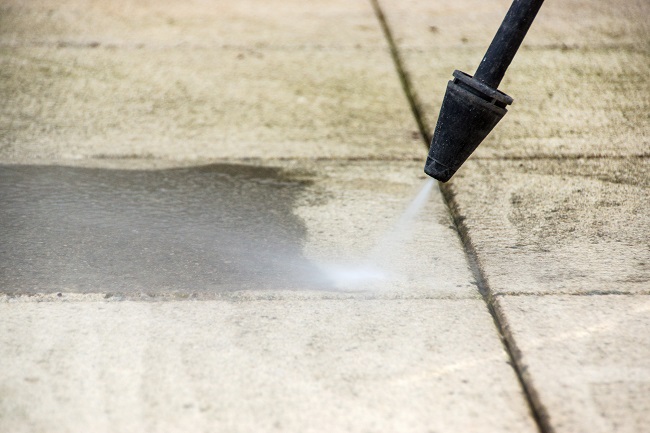
Pressure washing alone faces similar limitations. While high-pressure water removes surface debris and loose material, it can’t break the chemical bonds tannins form with porous surfaces. You need specialized cleaning agents formulated specifically to neutralize and lift these organic compounds. Professional tannin removers work by altering the pH balance and breaking down the molecular structure that creates the discoloration.
The Professional Approach to Tannin Removal
Effective tannin stain removal requires matching the right cleaning solution to your specific surface material. Concrete responds differently than wood, and natural stone needs yet another approach. Professional treatments typically use oxalic acid-based solutions or enzymatic cleaners that target tannin molecules without damaging the underlying surface. These products work by chelating the iron compounds in tannins, essentially dissolving the bonds that create the staining.
The application process matters just as much as the product choice. Solutions need adequate dwell time to penetrate and react with embedded tannins. Rushing the process or using insufficient product concentration leaves you with partially removed stains that return quickly. Temperature and humidity during treatment also affect results, which is why experienced professionals consider environmental conditions before starting work.
Protecting Your Investment
Once you’ve invested in professional tannin removal, prevention becomes your best strategy. Regular cleaning schedules that remove organic debris before tannins activate can save you significant restoration costs. Sealing porous surfaces creates a protective barrier that prevents deep penetration, though sealers require reapplication every few years depending on exposure and traffic.
Consider the source of your tannin problems too. Strategic trimming of overhanging branches reduces leaf accumulation, while installing gutters and downspouts properly channels water away from vulnerable surfaces. These proactive steps don’t eliminate tannin exposure entirely, but they dramatically reduce the severity and frequency of staining.
Your outdoor surfaces represent a substantial investment in your property’s value and appearance. Tannin stains diminish both, but they’re not permanent sentences. With the right approach and professional expertise, you can restore your concrete, wood, and stone to their original beauty. 214 Pressure Washing brings specialized knowledge and professional-grade solutions to every tannin removal project. Contact us today for a free assessment and let us show you what’s possible when nature’s toughest stains meet expert care.
