How Can Professional Graffiti Removal Services Restore Your Property?
Professional Graffiti Cleaning in Dallas, TX: Protecting Your Property’s Appearance and Value
Graffiti can quickly change the appearance of a commercial building, storefront, or residential property. Whether it’s spray paint on a brick wall, unwanted markings on concrete, or vandalism along a business entrance, graffiti can make an otherwise well-maintained property look neglected. For property owners in Dallas, TX, professional graffiti removal services offer an effective way to restore surfaces and maintain a clean, welcoming environment.
At 214 Pressure Washing, we understand how important your property’s appearance is to your business, customers, and community. Our professional exterior cleaning services help Dallas property owners address stubborn stains and unwanted markings while protecting the surfaces underneath. With the right cleaning techniques, equipment, and attention to detail, graffiti can often be removed without the damage that aggressive DIY methods may cause.
From busy commercial districts in Downtown Dallas to retail centers, office buildings, and residential neighborhoods throughout the Dallas-Fort Worth area, maintaining clean exterior surfaces helps preserve curb appeal and property value. Understanding how professional graffiti removal works can help you take the right steps when vandalism occurs.
Why Is Prompt Graffiti Removal Important for Dallas Properties?
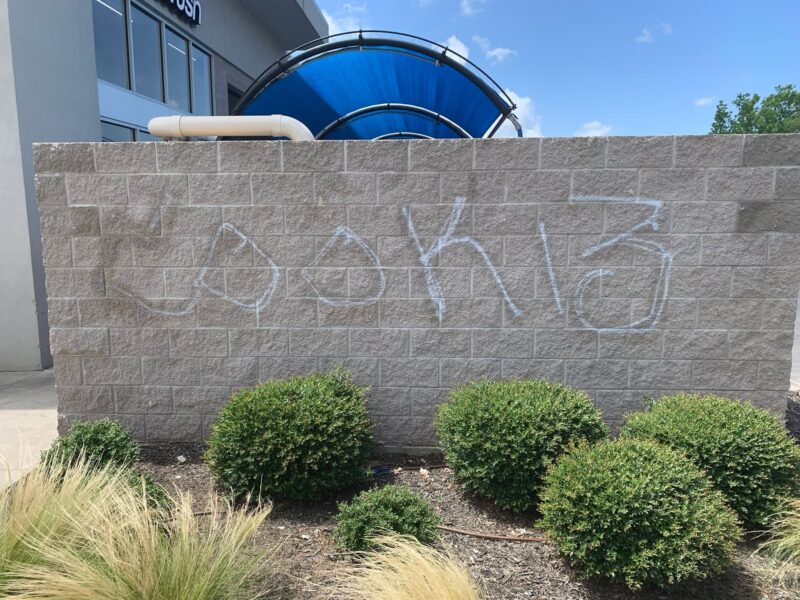
Graffiti is more than an unwanted mark on a wall. It can affect how customers, tenants, employees, and visitors perceive your property. For commercial buildings, visible graffiti may create an impression of poor maintenance, even when the rest of the property is clean and well cared for.
Removing graffiti promptly helps restore a professional appearance and demonstrates that the property is actively maintained. This is especially important for businesses in high-traffic areas such as Deep Ellum, Uptown Dallas, and the Dallas Design District, where storefront appearance can influence customer impressions.
Quick removal can also make cleaning easier. Certain paints and inks become more difficult to remove as they cure, particularly on porous materials such as brick, concrete, and stone. Dallas’s hot summer temperatures and strong sunlight can further complicate the removal of some coatings.
Graffiti can also attract additional unwanted markings if a property appears unattended. While removal alone cannot prevent future vandalism, maintaining clean surfaces is an important part of a broader property maintenance strategy.
For property managers overseeing shopping centers, warehouses, apartment complexes, and office buildings, establishing a reliable graffiti removal plan can reduce the time unwanted markings remain visible.
How Do Professional Graffiti Removal Services Work?
Professional graffiti removal involves more than simply spraying a painted surface with high-pressure water. Different materials require different cleaning methods, and choosing the wrong approach can cause permanent surface damage.
At 214 Pressure Washing, the goal of professional exterior cleaning is to address unwanted markings while considering the condition and characteristics of the underlying surface.
Surface Assessment and Cleaning Method Selection
The first step in effective graffiti removal is identifying the surface material and the type of paint or marking involved. Brick, concrete, painted siding, metal, and natural stone all respond differently to cleaning products and water pressure.
Porous materials, such as brick and concrete, can absorb spray paint below the surface. These materials may require specialized cleaning solutions and carefully controlled pressure to loosen embedded pigments.
More delicate surfaces may require low-pressure cleaning techniques to avoid etching, discoloration, or damage to protective coatings.
Specialized Cleaning Solutions
Professional graffiti cleaning may involve products specifically formulated to break down spray paint, markers, and other unwanted coatings. The appropriate solution depends on the surface, paint composition, and environmental considerations.
Allowing the cleaning solution sufficient contact time can help loosen graffiti before rinsing. This approach may reduce the need for excessive pressure and help preserve the surface.
Controlled Pressure Washing and Rinsing
Once the graffiti has been treated, controlled pressure washing or other suitable rinsing techniques can remove loosened paint and cleaning residue.
Water pressure, nozzle selection, and cleaning distance must be adjusted for the material being cleaned. Excessive pressure can damage mortar joints, remove existing paint, or leave visible marks on concrete.
Professional cleaning also requires attention to wastewater management. Dallas property owners should avoid allowing paint residue, chemicals, and contaminated wash water to enter storm drains.
Some surfaces may require multiple treatments, and complete removal is not always possible without additional restoration.
What Types of Surfaces Can Be Cleaned With Graffiti Removal Services?
Graffiti can appear on almost any exterior surface, but each material presents unique cleaning challenges. Understanding these differences helps Dallas property owners avoid unnecessary repairs.
Brick and Masonry
Brick walls are common throughout Dallas commercial districts, historic properties, and residential neighborhoods. Because brick is porous, spray paint can penetrate its surface and become difficult to remove.
Professional graffiti removal techniques can help lift unwanted paint while minimizing damage to the brick and surrounding mortar. Older masonry may require especially gentle treatment.
Concrete Walls and Sidewalks
Concrete is frequently targeted because it provides a large, accessible surface. Graffiti may appear on parking structures, sidewalks, retaining walls, loading docks, and commercial building exteriors.
Specialized cleaning solutions combined with appropriate pressure washing techniques can help remove paint and restore a more uniform appearance.
Metal and Painted Surfaces
Metal doors, fences, utility enclosures, and painted exterior walls may also require graffiti removal. These materials often need a more cautious approach because aggressive chemicals or excessive water pressure can damage the original finish.
A professional assessment helps determine whether graffiti can be removed without stripping the underlying coating.
Stone and Decorative Exterior Materials
Natural stone, decorative masonry, and specialty architectural finishes can be particularly sensitive to harsh cleaning products.
Using a surface-appropriate method is essential to reducing the risk of discoloration, etching, and permanent damage.
Can Regular Exterior Cleaning Help Prevent Future Graffiti Problems?
Although no cleaning service can guarantee that graffiti will never return, consistent property maintenance can help businesses respond more effectively when vandalism occurs.
A clean, well-maintained exterior communicates that a property receives regular attention. Scheduling routine commercial pressure washing also helps address dirt, grime, oil stains, and other buildup that can make exterior surfaces appear neglected.
For Dallas businesses, combining graffiti removal with ongoing exterior maintenance can be especially beneficial in areas with heavy pedestrian activity, vehicle traffic, and frequent exposure to dust and pollution.
Property owners can also consider protective anti-graffiti coatings for surfaces that experience repeated vandalism. These coatings are designed to make future paint removal easier, although their effectiveness depends on the product and surface material.
Additional preventive measures, such as improved lighting, security cameras, and regular property inspections, can support a comprehensive maintenance strategy.
The City of Dallas also provides information about graffiti reporting and abatement through its municipal services. Property owners can review local resources to understand available assistance and applicable requirements.
Taking a proactive approach helps reduce the disruption associated with graffiti and keeps properties looking their best.
Why Choose Professional Graffiti Removal Instead of DIY Cleaning?
When graffiti appears, property owners may be tempted to use household cleaners, paint thinners, or rented pressure washing equipment. Unfortunately, these approaches can sometimes create more problems than they solve.
Using excessive pressure can permanently etch concrete, damage brick, or remove protective finishes. Harsh chemicals may cause staining or discoloration, particularly on painted and decorative surfaces.
Professional graffiti removal services provide access to specialized cleaning techniques and equipment suited to different exterior materials.
Hiring a professional also saves valuable time for business owners and property managers who need to focus on daily operations.
For commercial properties, coordinating graffiti removal with other exterior cleaning services can help minimize disruptions and maintain a consistent appearance throughout the property.
The most effective approach considers the type of graffiti, the affected surface, and the desired results before cleaning begins.
Restore Your Property’s Appearance With 214 Pressure Washing in Dallas, TX
Unwanted graffiti doesn’t have to define the appearance of your home or business. Addressing vandalism promptly and using appropriate cleaning methods can help restore curb appeal, protect exterior materials, and maintain a professional image.
At 214 Pressure Washing, we’re committed to helping property owners throughout Dallas, TX, maintain cleaner, more attractive exterior surfaces. Whether you’re dealing with graffiti on a commercial building, concrete wall, storefront, or another exterior area, professional cleaning can make a noticeable difference.
Contact 214 Pressure Washing today to discuss your graffiti removal needs and learn how our exterior cleaning services can help bring your property back to its best condition.